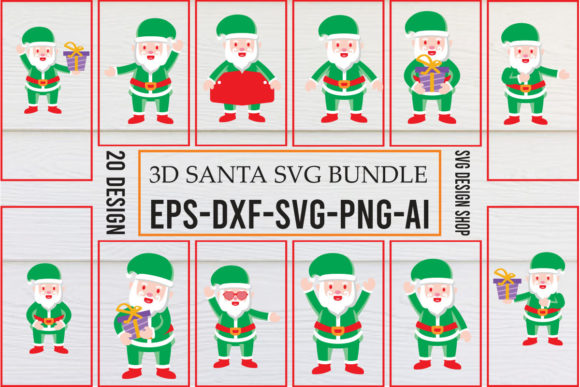
3D Santa SVG Bundle
When the holiday season approaches, creators and small business owners often scramble to find high-quality digital assets that can elevate their projects. The 3D Santa SVG Bundle has emerged as a popular choice for those looking to add depth and realism to their Christmas designs without needing advanced 3D modeling skills. But before you click "buy," it is crucial to understand exactly what you are getting, how to use these files effectively, and where common pitfalls lie. This guide aims to help you make an informed decision, ensuring your investment yields professional results rather than frustrated attempts at cutting or printing.
Understanding the Format Variety
One of the most significant advantages of this bundle is its comprehensive format support. You are not just receiving a single file type; you are gaining access to a versatile library designed for various software environments and hardware capabilities. However, mixing up these formats is a frequent mistake among beginners. Here is a breakdown of what each format offers and why having all of them matters.
- SVG (Scalable Vector Graphics): This is the gold standard for vinyl cutters like Cricut and Silhouette. SVGs are vector-based, meaning they can be resized infinitely without losing quality. If you are making decals, stencils, or t-shirt transfers, this is your primary file type.
- DXF (Drawing Exchange Format): Similar to SVG but often preferred by older cutting machine software or specific engineering applications. It ensures compatibility if your preferred design software struggles with modern SVG features.
- PNG and JPEG: These are raster images. While they cannot be cut by a vinyl cutter in the same way vectors can, they are essential for sublimation printing, iron-on transfers, or using as reference images in design software like Photoshop or Canva.
- EPS and AI (Adobe Illustrator): These are native vector files used by professional designers. They allow for deeper editing, such as changing colors, merging shapes, or adjusting paths before exporting to other formats.
Pro Tip: Do not assume that because you have an SVG, you do not need the AI or EPS files. If you plan to customize the design—perhaps adding text or combining it with other elements—the editable vector files (AI/EPS) provide much more flexibility than a locked-down SVG.
Common Mistakes in Usage and Preparation
Even with high-quality files, the final output depends heavily on how you prepare and execute your project. Many users report disappointing results not because the design was poor, but because of technical oversights during the workflow.
Ignoring Layer Complexity
A "3D" effect in a flat-cut file usually relies on multiple layers of overlapping shapes. A common error is treating the entire design as a single unit when sending it to a cutting machine. If you do not separate the layers correctly in your software, the machine might cut through all layers simultaneously, ruining the intended shadow or depth effect. Always open the file in your design software and check the layer panel. Ensure that each color or depth element is on a separate layer so you can assign different cut settings or materials to each part.
Resolution Confusion
Another oversight involves confusing resolution requirements for different outputs. If you intend to print the Santa design on a mug using sublimation, you must use the PNG or JPEG files, not the SVG. SVGs do not contain pixel data required for direct printing. Conversely, if you are cutting vinyl, using a low-resolution JPEG will result in jagged, pixelated edges. Always match the file format to the end-use: vectors for cutting, rasters for printing.
Overlooking Scale and Proportion
Before committing to a full sheet of vinyl or expensive heat-transfer material, always preview the design at its actual size. A 3D Santa that looks impressive on a screen might be too large for a tea towel or too small for a greeting card. Use the scaling tools in your software to visualize the dimensions. Remember that some details in 3D designs can become lost if scaled down too far, leading to a muddy or indistinct final product.
Evaluating Value and Versatility
The bundle includes 20 files across six different formats, totaling 120 individual assets. At a price point of $5, the cost-per-file is negligible, offering immense value. However, the true value lies in the versatility. Consider how these files can be repurposed across multiple product lines.
For instance, a single Santa design from the bundle can serve as:
- Vinyl Decals: Using the SVG/DXF files for window decorations or laptop stickers.
- Apparel: Utilizing the PNG/JPEG files for sublimated t-shirts or hoodies.
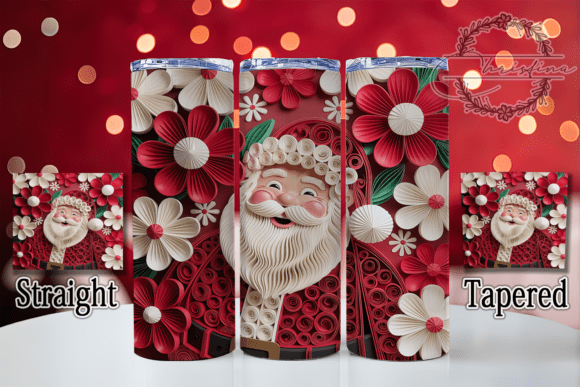
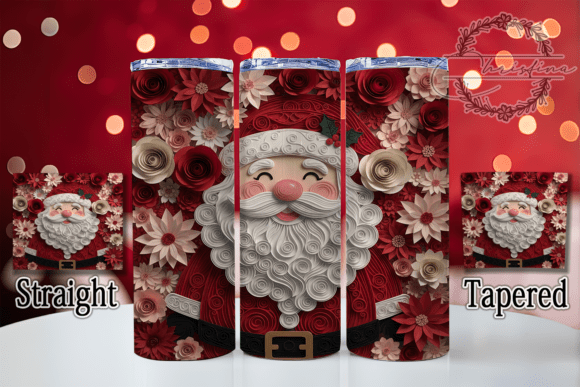
- Home Decor: Printing the high-res images on canvas for art prints or transferring them onto mugs and tea towels.
- Stationery: Using the clean vector lines for scrapbooking pages or invitation cards.
This multi-format approach means you are not limited to one niche. You can pivot between selling physical goods, digital downloads, or custom services depending on market demand. For entrepreneurs, this flexibility reduces inventory risk and allows for rapid testing of new product ideas.
What to Check Before Buying
While the bundle appears robust, smart buyers verify a few key details before completing the transaction.
- Commercial License: Confirm whether the purchase includes commercial rights. Most bundles of this nature allow you to sell physical items made from the designs, but reselling the digital files themselves is typically prohibited. Read the fine print to ensure you are compliant.
- File Integrity: Look for reviews that mention file usability. Occasionally, downloaded files may have corrupted paths or missing fonts. Reputable sellers usually test their files, but checking recent user feedback can save you time troubleshooting later.
- Design Consistency: Since there are 20 variations, check previews to ensure the artistic style is consistent. You want a cohesive look if you are creating a matching set of products, such as a family matching pajama set.
Final Thoughts on Implementation
The 3D Santa SVG Bundle is more than just a collection of holiday graphics; it is a toolkit for efficient, high-quality production. By understanding the distinct roles of each file format, avoiding common technical errors like layer confusion and resolution mismatches, and planning your usage strategy, you can maximize the return on this modest investment.
Whether you are a seasoned crafter looking to streamline your workflow or a beginner eager to start a side hustle, this bundle provides the foundational assets needed to create professional-looking holiday merchandise. Take the time to organize your files, test your cuts, and experiment with different materials. With the right approach, these designs can become staples in your holiday collection, helping you connect with customers through thoughtful, well-executed creations.