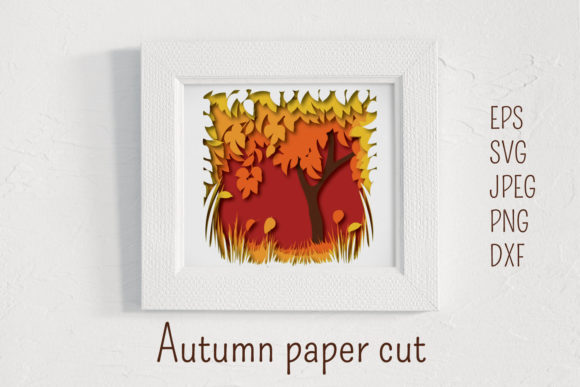
Autumn Paper Cut Landscape
The crisp air, the rustling leaves, and the warm glow of late afternoon sun define the season. For creators, designers, and hobbyists looking to capture this specific mood, Autumn Paper Cut Landscape offers a unique blend of traditional craft aesthetics and modern digital convenience. This beautiful autumn scene is not just a static image; it is a versatile design asset that can transform your projects from ordinary to extraordinary. Whether you are preparing for a seasonal marketing campaign, crafting personalized gifts, or simply decorating your home workspace, integrating this paper-cut style into your workflow can significantly elevate your visual storytelling.
However, navigating the world of digital cut files requires more than just downloading the first file you find. Many users overlook critical details regarding file compatibility, layer organization, and material suitability, leading to frustrating results on their cutting machines or in their final prints. Understanding how to properly utilize these assets ensures that you get the most value out of your purchase and avoid common pitfalls that plague beginners and experienced makers alike.
Understanding the Versatility of Autumn Paper Cut Designs
The appeal of an Autumn Paper Cut Landscape lies in its depth and texture. Unlike flat vector illustrations, paper cut designs mimic the physical act of layering materials to create shadows and dimension. This aesthetic is particularly effective for evoking coziness and nostalgia, making it a perfect fit for fall-themed content. The intricate details of trees, falling leaves, and rolling hills allow for creative interpretation across various mediums.
One of the primary advantages of using digital versions of these designs is their adaptability. You are not limited to a single output method. These files are engineered to work seamlessly with both electronic cutting machines and sublimation printers. This dual-purpose nature means you can create physical crafts one day and high-quality thermal transfers for apparel the next. For small business owners and freelancers, this versatility translates directly into product diversification without the need for multiple complex design skills.
Common Mistakes in File Selection and Usage
While the potential is high, many users stumble when applying these designs due to a lack of preparation. One frequent error is ignoring the specific software requirements of the included formats. Digital cut files come in various extensions, each serving a distinct purpose. Assuming that any file will work in your preferred software is a risky approach that often leads to corrupted data or unusable layers.
- Misinterpreting Layer Structures: Paper cut designs rely heavily on layered elements to create the 3D effect. If you import a file into a program that does not support multi-layered vectors (like some basic photo editors), you may flatten the design, losing all depth. Always ensure your software can handle complex layer hierarchies.
- Ignoring Scale and Resolution: A common misunderstanding is assuming that a digital file scales infinitely without quality loss. While vector files like SVG and EPS are resolution-independent, raster images like PNG and JPEG have limits. Using a low-resolution PNG for a large poster will result in pixelation, ruining the clean lines essential to the paper cut look.
- Neglecting Material Compatibility: Not all cutting machine mats or printer settings are created equal. Thick cardstock behaves differently than thin vinyl. Failing to test a small section before committing to a full project can waste expensive materials and time.
Maximizing Value with Comprehensive File Formats
To truly appreciate the utility of an Autumn Paper Cut Landscape, one must look at the comprehensive archive typically provided by professional designers. A robust package includes a variety of formats tailored to different workflows. When you download such an archive, you are not just getting a picture; you are acquiring a toolkit.
The inclusion of .AI (Adobe Illustrator) and .EPS (Encapsulated PostScript) files is crucial for professionals. These formats preserve editable paths, allowing you to modify colors, adjust sizes, and manipulate individual elements with precision. For those working with sublimation, having a high-quality .PNG with a transparent background is essential. This ensures that when you print onto mugs, t-shirts, or tote bags, there are no unwanted white boxes surrounding your autumn scene.
Furthermore, the presence of .SVG (Scalable Vector Graphics) and .DXF (Drawing Exchange Format) files caters specifically to the cutting machine community. These formats are lightweight yet precise, ensuring that your Cricut, Silhouette, or other brand-name cutters interpret the lines correctly. The .JPEG file serves as a convenient preview or reference image, useful for quick sharing or inspiration boards.
Practical Advice for Better Results
To avoid the aforementioned mistakes, adopt a systematic approach to your projects. First, always inspect the file structure before beginning. Open the .AI or .EPS file in a compatible editor to verify that layers are named logically and grouped appropriately. This step saves hours of frustration later when you try to isolate a specific leaf or branch for coloring.
Secondly, perform a "proof cut" or a small-scale test print. If you are using a cutting machine, run a test on scrap material to check the blade depth and pressure settings. Paper cuts require delicate handling; too much pressure can slice through multiple layers unintentionally, while too little will leave pieces uncut. Adjusting these settings based on your specific material thickness is a non-negotiable step for quality control.
For sublimation projects, pay close attention to color profiles. Digital screens display colors in RGB, while sublimation inks operate in CMYK. An Autumn Paper Cut Landscape might appear vibrant on your monitor but duller on fabric. Calibrating your printer and using ICC profiles designed for your specific ink and paper combination will help maintain the rich oranges, reds, and browns characteristic of the season.
Expanding Your Creative Possibilities
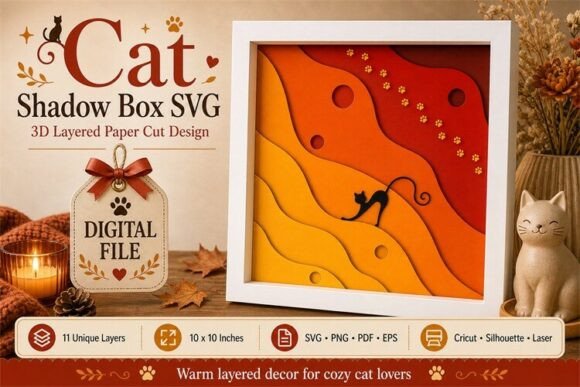
Once you have mastered the basics, the applications for these designs become nearly limitless. Consider creating shadow light boxes by layering the cut pieces at varying distances from a light source. This technique adds dynamic illumination to holiday decor or window displays. Greeting cards benefit from the tactile nature of paper cuts, offering recipients a sense of luxury and care that standard printing cannot match.
Marketers and bloggers can use these graphics to enhance social media engagement. A well-designed autumn graphic stands out in crowded feeds, drawing attention to seasonal promotions or blog posts. Educators can incorporate these designs into lesson plans about geometry, symmetry, or cultural traditions related to harvest festivals.
Remember, the key to success lies in preparation and attention to detail. By choosing a comprehensive package that includes multiple file types, understanding the technical nuances of each format, and testing your materials beforehand, you ensure that your Autumn Paper Cut Landscape projects are both efficient and visually stunning.
We wish you happy and cozy autumn. If you have any questions regarding the usage of these files or need guidance on specific techniques, please be free to contact me. Thank you for your interest in my work, and we hope these resources inspire your creativity throughout the season.