The Precision of Modern Fabrication: Analyzing the 3D Printer Creating a Beige Box with Blu
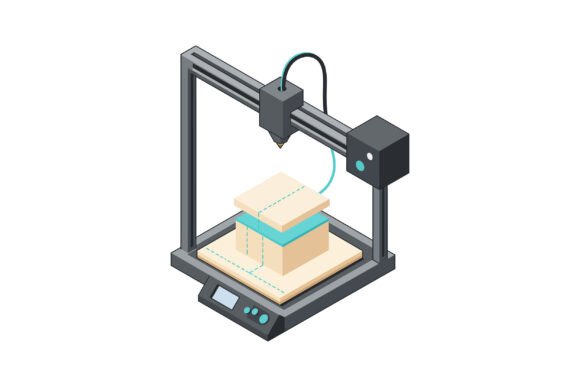
In the rapidly evolving landscape of digital manufacturing, the line between conceptual design and physical reality has never been thinner. One specific visual that has gained traction in maker communities and industrial showcases alike is the image of a 3D printer creating a beige box with Blu. This isn't just a snapshot of a machine at work; it is a testament to the precision, accessibility, and versatility of modern additive manufacturing. The scene typically depicts a sleek device with a gray frame and control panel, methodically depositing layers to form a sturdy, beige container secured with blue tape. While the description might seem simple, the implications for hobbyists, prototypers, and small business owners are profound.
This article explores the nuances of this printing process, the significance of the materials involved, and why downloadable file formats like SVG, EPS, JPG, and PNG play a crucial role in bringing such designs to life. Whether you are looking to understand the mechanics behind the print or seeking inspiration for your next project, understanding the details of this process offers valuable insights into the future of making.
Deconstructing the Visual: What Does It Mean?
When we talk about a 3D printer creating a beige box with Blu, we are referring to a specific aesthetic and functional outcome. The "beige" refers to the filament material, often PLA (Polylactic Acid) or ABS (Acrylonitrile Butadiene Styrene), chosen for its neutral color palette that blends well in office environments or minimalist workshops. Beige is not merely a color choice; it represents a practical approach to prototyping where the focus is on form and function rather than flashy aesthetics.
The "Blu" mentioned in the context usually refers to the blue painter’s tape or masking tape used during the printing process. In FDM (Fused Deposition Modeling) printing, adhesion to the build plate is critical. Blue tape provides a surface that holds the first layer firmly while allowing for easy removal of the finished object without damaging the print or the printer bed. The presence of blue tape in the final image suggests a print that was either still in progress or recently completed and stabilized. It highlights the hands-on nature of 3D printing, where manual intervention and careful setup are as important as the digital code driving the machine.
The printer itself, described with a gray frame and control panel, points towards mid-to-high-end consumer or prosumer models. These machines prioritize stability and ease of use. The gray frame often indicates an aluminum extrusion structure, which dampens vibrations and ensures that the nozzle moves with micron-level accuracy. This precision is what allows for the creation of sharp corners and smooth walls on the beige box, showcasing the capability of modern hardware to produce clean, professional-looking results.
The Importance of Digital File Formats
A key component of any successful 3D printing workflow is the source file. The mention of a downloadable ZIP containing SVG, EPS, JPG, and PNG files is significant because it speaks to the versatility required in modern design workflows. Unlike traditional CAD software that produces proprietary binary files, vector and raster formats offer flexibility for different stages of production.
- SVG (Scalable Vector Graphics): Ideal for laser cutting or engraving components that might accompany the 3D printed box. If the box requires a lid with intricate cutouts or branding, an SVG file ensures that the design can be scaled infinitely without losing quality. This is particularly useful for customizing the exterior of the beige box.
- EPS (Encapsulated PostScript): Often used in professional graphic design, EPS files allow for high-quality vector data transfer between applications. For designers who want to take their 3D model concepts into Adobe Illustrator for further refinement before slicing, EPS provides a robust bridge between 2D design and 3D fabrication.
- JPG and PNG: These raster formats are essential for visualization and documentation. A PNG file with a transparent background can be used in marketing materials to showcase the product cleanly. Meanwhile, JPGs serve as quick previews for online marketplaces or social media, helping potential buyers or collaborators understand the scale and texture of the beige box before committing to a print.
Having access to these varied formats means that the user is not locked into a single pipeline. They can iterate quickly, test visuals, and prepare for multi-material or hybrid manufacturing processes. This flexibility is a major selling point for creators who need to pivot between digital design and physical production seamlessly.
Practical Applications and Workflow Integration
So, why create a beige box? The answer lies in utility. In a modern workflow, a simple box serves multiple purposes. It can be a storage solution for small electronics, a protective case for delicate tools, or a prototype shell for testing internal components. The neutral color makes it an excellent canvas for labeling, painting, or assembling into larger systems.
Consider the scenario of a small engineering firm developing a new IoT device. They need a rapid enclosure to test the fit of circuit boards and sensors. Using a 3D printer creating a beige box with Blu style workflow, they can design the enclosure, slice the files, and have a physical prototype within hours. The blue tape ensures the print adheres correctly, reducing the risk of warping—a common issue with large, flat-bottomed boxes. Once printed, the box can be sanded, painted, or left raw, depending on the stage of development.
For educators, this process is equally valuable. Teaching students about tolerances, infill density, and layer height becomes tangible when they can see a beige box emerge from the printer. The inclusion of diverse file formats allows students to explore how different software handles geometry, fostering a deeper understanding of digital fabrication principles.
Key Considerations for Successful Printing
While the technology is accessible, achieving the clean, precise look shown in the reference image requires attention to detail. Here are some practical tips for replicating this success:
- Bed Leveling: The foundation of any good print is a perfectly leveled bed. Even a slight tilt can cause the first layer to peel away, ruining the entire print. Use the blue tape to provide a consistent surface texture that aids adhesion.
- Infill Settings: For a box that needs to hold weight or protect contents, a higher infill percentage (such as 20-50%) is recommended. However, if the box is purely decorative or lightweight, a lower infill saves time and material.
- Nozzle Temperature: Beige PLA typically prints best between 190°C and 210°C. Finding the sweet spot for your specific filament brand will ensure strong layer adhesion and a smooth surface finish.
- Post-Processing: The blue tape leaves a residue that must be cleaned off. Isopropyl alcohol works well for this. Additionally, removing support structures (if any were needed for overhangs) requires patience to avoid marring the beige surface.
The Broader Impact on Creative Industries
The trend of using neutral-colored prints like the beige box reflects a shift towards sustainable and versatile manufacturing. By choosing biodegradable materials like PLA, users reduce their environmental footprint compared to traditional plastic injection molding. Furthermore, the ability to download and print designs on demand reduces waste associated with inventory and shipping.
This approach empowers individuals to become producers rather than just consumers. With the right files and a reliable printer, anyone can create custom solutions for their specific needs. The 3D printer creating a beige box with Blu is more than a machine output; it is a symbol of democratized manufacturing, where creativity is limited only by imagination and technical skill.
As technology continues to advance, we can expect even greater integration between 2D design files and 3D outputs. The availability of SVG and EPS files alongside 3D models suggests a future where hybrid manufacturing—combining cutting, printing, and assembly—is the norm. This synergy allows for complex products that leverage the strengths of each technique, resulting in higher quality and more innovative outcomes.
Conclusion
Understanding the intricacies of a 3D printer creating a beige box with Blu provides a window into the broader world of additive manufacturing. From the choice of materials and the use of blue tape for adhesion, to the importance of versatile file formats like SVG and PNG, every element plays a role in the final result. By embracing these tools and techniques, makers and professionals alike can unlock new possibilities in design, prototyping, and production. Whether you are building a simple storage box or a complex mechanical assembly, the principles remain the same: precision, preparation, and creativity drive the process forward.