Boo Luminary SVG: A Comprehensive Evaluation for Halloween Crafters
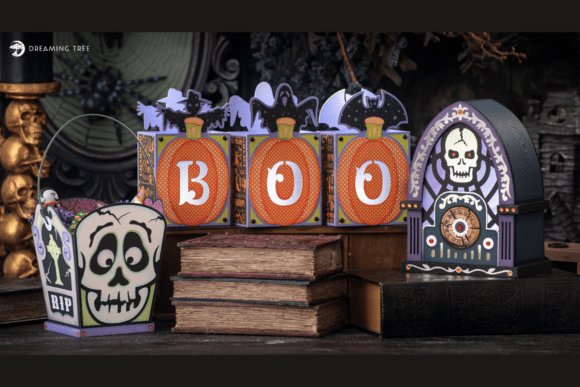
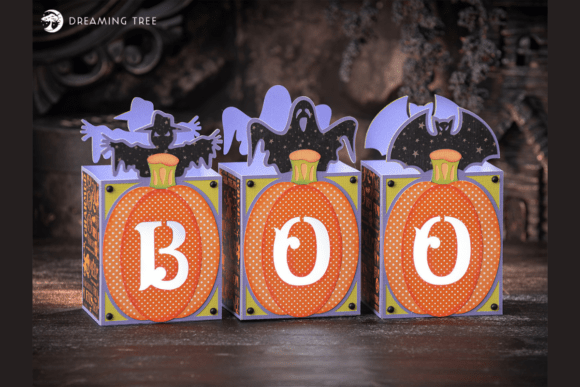
Halloween decoration trends have shifted significantly in recent years, moving away from mass-produced plastic items toward personalized, handcrafted accents that add warmth and character to home environments. Among the various digital assets available to crafters, the Boo Luminary SVG has emerged as a popular choice for those looking to create glowing, thematic decor. This specific design allows users to construct rectangular lanterns featuring embossed motifs of bats, ghosts, and pumpkins. For individuals researching crafting supplies or evaluating DIY projects for the upcoming season, understanding the technical specifications, material requirements, and practical applications of this SVG file is essential before making a purchase or beginning construction.
Understanding the Boo Luminary Design
The Boo Luminary SVG is not merely a static image but a structured vector file designed for use with electronic cutting machines such as Cricut or Silhouette. The core concept involves creating a three-dimensional rectangular luminary box. Unlike flat cutouts, this project requires precise layering and assembly to achieve depth. When illuminated by flameless tealights placed inside, the layered paper creates a shadow effect that highlights the embossed details of the design. The result is a soft, ambient light source that contributes to a spooky yet charming Halloween atmosphere.
The file is provided in SVG format, which stands for Scalable Vector Graphics. This format ensures that lines remain crisp regardless of size adjustments, making it compatible with most modern cutting software. Additionally, the product includes a PDF legend. This document serves as a visual guide, helping users identify which layers correspond to specific colors and patterns. This inclusion is particularly valuable for complex designs where distinguishing between background elements and foreground decorations can be challenging during the assembly phase.
Material Requirements and Preparation
One of the first considerations for anyone planning to build this luminary is the supply list. The design is optimized for 12x12 inch cardstock, a standard size for scrapbooking and papercrafting. However, the complexity of the design demands a significant quantity of materials. To construct a single unit, the recommended supply list includes:
- 9 Sheets of 12x12 Pansy Cardstock (typically used for structural backing or lighter layers).
- 3 Sheets of 12x12 Limeade Cardstock.
- 2 Sheets of 12x12 Cantaloupe Cardstock.
- 2 Sheets of 12x12 Light Orange Pattern Paper (specifically Doodlebug – Petit Prints).
- 1 Sheet of 12x12 Dark Orange Pattern Paper (Graphic45 – Charmed Collection).
- 1 Sheet of 12x12 Stars Pattern Paper.
- 1 Sheet of 12x12 Black cardstock or pattern paper for high-contrast elements.
This extensive list indicates that the project is resource-intensive. Users should evaluate their existing inventory of patterned papers before purchasing the digital file. If a crafter lacks access to these specific collections, they may need to source alternative papers that match the color palette—primarily oranges, blacks, and pale yellows—or adjust the design’s aesthetic accordingly. The reliance on multiple sheets suggests that this project is best suited for experienced crafters who are comfortable managing large amounts of material and intricate layering processes.
Technical Specifications and Compatibility
The final dimensions of the assembled luminary are approximately 7.25 inches in height, 12.25 inches in width, and 3 inches in depth. These proportions make the lantern suitable for tabletop display, porch arrangements, or mantelpiece decoration. It is important to note that while the design is created with 12x12 cutting machines in mind, the SVG format allows for resizing. However, scaling the project up or down may alter the final dimensions slightly due to how the cutting machine interprets the vector paths. Users who require exact sizing for a specific space should test a small prototype or calculate the scale factor carefully before committing to full-size cardstock.
Compatibility is generally high across the industry. Any software that accepts SVG files can import this design. Furthermore, the inclusion of a step-by-step video tutorial addresses a common pain point in papercrafting: assembly confusion. Complex geometric shapes often require specific folding and gluing sequences. The video component reduces the learning curve, making the project accessible even to those who may find written instructions difficult to follow.
Evaluating Benefits and Tradeoffs
There are distinct advantages to choosing the Boo Luminary SVG over pre-made decorations. The primary benefit is customization. By selecting your own cardstock colors and patterns, you can tailor the decor to match a specific interior design theme, whether it is traditional Halloween orange and black or a more pastel, whimsical approach. Additionally, the act of crafting provides a recreational activity that can be shared with family or friends, turning decoration preparation into a social event.
However, there are tradeoffs to consider. The most significant drawback is the time investment. Cutting, weeding, and assembling nearly twenty sheets of paper per lantern is laborious. For someone seeking a quick, last-minute decoration, this project may be impractical. Furthermore, the cost of materials can add up quickly if one needs to purchase all the recommended cardstock. While the digital file itself may be affordable, the total cost of ownership—including paper, adhesive, and potential waste from errors—should be factored into the decision.
Situational Fit and Alternatives
The Boo Luminary SVG is a strong fit for intermediate to advanced crafters who enjoy detailed projects and have the necessary tools and materials on hand. It is ideal for those who value unique, handmade aesthetics and have the patience for multi-step assembly. It is also a good choice for educators or parents looking for a substantial weekend project that results in a durable, reusable decorative item.
Conversely, beginners or those with limited crafting experience might find the layering process overwhelming. In such cases, simpler SVG designs—such as single-layer wall hangings or basic window clings—might be more appropriate. Similarly, individuals with tight budgets or limited storage space for bulk cardstock may prefer to purchase ready-made luminaries. If the goal is purely functional lighting rather than decorative craftsmanship, electric LED string lights or commercially produced resin lanterns would offer greater efficiency and lower long-term costs.
Conclusion
Ultimately, the decision to use the Boo Luminary SVG depends on an individual’s skill level, available resources, and desired outcome. It offers a high-quality, customizable solution for Halloween decor that rewards effort with a visually striking result. By carefully reviewing the material list and assessing one’s comfort with complex papercraft assembly, users can determine whether this project aligns with their creative goals. For those willing to invest the time and materials, the finished luminary serves as a sophisticated addition to any festive setting.